Welcome to the Durston Garden Products Media Centre
Top tips for peat-free houseplant success
Durston Garden Products • 19/02/2026
You may have a few houseplant failures under your belt already and worry that peat-free products will complicate things further but, fear not, because Durston Garden Products have some top tips on how to cut through the confusion and help houseplants thrive without peat…
1) Use a growing media that’s suitable for your needs
Buying the right compost for the job is always important. It can depend on the plant you’re growing – as we all know some houseplants are fussier than others – but, generally, a good quality potting mix or dedicated Houseplant Compost will do the trick. The unique formula of our peat-free Advanced Houseplant Compost boasts the optimal nutrient profile for houseplants to thrive, plus highly effective moisture control, reducing the need to water as often. If you’re taking cuttings to expand your indoor garden, we would always recommend a specialist Seed & Cutting Compost to give young cuttings the best start possible and the right conditions they need to develop strong, healthy roots.
2) Make sure you break compost up properly when you use it
This helps let air in, so that the compost doesn’t stay as a hard lump from where it has been compressed in a bag to fit on a pallet. This is a really important step because houseplants hate soggy roots and clumpy soil, so you need to aerate. Wear gloves when doing this.
3) Don’t overwater
Overwatering is the most common killer of houseplants. You always want your plants to be on the drier side; you never want them sitting in water. So, make sure you let compost dry out in between waterings and, sometimes even look for signs of wilting before you reach for the watering can.
4) Get to know the feel of your plants
Watering can be tricky to navigate because the surface of soil in pots dries very quickly but, at root level, where moisture is needed the most, it can still be quite damp without you realising. You can use your finger to poke down in the soil to gauge moisture levels or, if you’re still unsure, get to know the feel and weight of your potted plants. Soon it will become second nature to you to determine which plants are feeling a little too light and are probably in need of a drink and which plants are doing just fine.
5) Feed your plants
Houseplants, just like any plants, need food to grow. Most composts include feed that can last for anything between 2 to 6 weeks. However, we’d recommend a dilute feed at every watering during spring and summer months. Feed as you water by mixing liquid fertiliser in with room temp water in your watering can. You can then reduce the frequency during autumn and winter, so that you feed plants every four weeks.
6) Check your plant’s health
Keep a close eye on your plants and monitor any changes. A slowing down in growth, pale leaves, or fewer flowers is often a sign that they may need feeding, so it would be wise to start a regular feeding routine if you haven’t already got one in place. Keep an eye out for any diseases, so you can treat them early. Wilting or yellowing/browning of leaves, a smell coming from the soil, and shrivelling of the plant’s stem are all signs of root rot, which is usually caused by overwatering and will need to be addressed quickly.
7) Buy what you need
Don’t bulk buy and store compost for months on end. Peat-free composts are full of organic matter and microbes, which is a real positive for your plants but it is different to peat and so is always best fresh. Instead, buy what you need, when you need it. If you do have some left over, store it in a cool, dry place to maintain its quality and effectiveness. Fortunately, Durstons Advanced Houseplant Compost is available in a handy 10-litre bag for smaller jobs, as well as 20-litre pack if you are re-potting several plants in one go.
8) Don’t buy cheap
The adage ‘you get what you pay for’ applies here. If you buy a very cheap growing media, you’re unlikely to get the results you want. We would also always recommend looking out for the Responsible Sourcing Scheme logo on the bag.
9) Don’t be disheartened
Believe it or not, some failure is a positive because it means you’ll learn for next time. Also, it isn’t always your fault, so don’t blame yourself or become disheartened. Some plants are just more sensitive to different things than others. For example, begonias don’t like high salt, whilst monsteras hate dust on their leaves, and poinsettias can’t stand even the slightest cold draught. A good foundation is getting the right growing media, nutrients and ideal amount of moisture. Try and have an appreciation of the plant and where it came from, so that you can create the right environment for it to flourish. Good luck!
Durston Garden Products’ new high-quality peat-free range – complete with dedicated performance Houseplant Compost – delivers consistent outstanding results and has blown competitor products out of the water in independent growing trials. Now the family-run British producer is on a mission to help educate gardeners and arm them with the right tools to make the switch to peat-free successfully.
To find out more about this exciting range, visit www.durstongardenproducts.co.uk or call 01458 442688
related_images
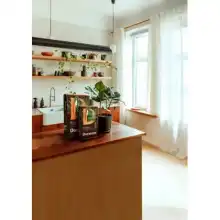
Houseplant lifestyle on counter
- 19/02/2026
- 5702 x 8035 px
- 16.5MB
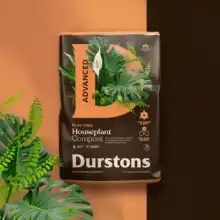
Houseplant lifestyle on counter
- 19/02/2026
- 5702 x 8035 px
- 801.1KB
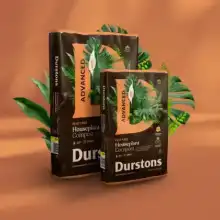
Houseplant lifestyle on counter
- 19/02/2026
- 5702 x 8035 px
- 459.6KB